Chanukah, Roedelheim, Tzitzis and More 

Chanukah has just passed. It passed slowly for me as I suffered most of it, and still do, from a bad cold.  

I make it my business each year to 1) use the Roedelheim for the Hadlakah 2) Try to go through some of the histories of the events of Chanukah 3) To incorporate different things into each night’s lighting (tunes, gifts, or a visit to someone, or a dreidel game.) 

This year, at the Seforim store I saw a packet of cards that had in Yiddish the claim to be “Authentic Chanukah Kvittelach”. This raised the curiosity of a guy like me. I especially wanted to know what the Jewish card game is. The deck was also manufactured in Vienna, by a Jewish company. So there is more old-world charm there. 

Well, I opened the deck and sent an email for the instructions. The deck has old-world charm, to be sure. But it is basically numbered cards from one to twelve, with no face cards (Queen, King, etc.) The rules are basically identical to Blackjack! (Maybe fully identical, I don’t remember all the small rules.) 

So…was I a fool? Maybe not. The Rupshitz’er Rebbe wrote great warnings to his Chasidim against their customary Chanukah card games. Besides the time and money lost at that table, he argues- (perhaps to appeal to a certain element of his adherents?)- that it is well known that the cards contain “names of Gd that are invoked in an unholy vein” and that exposure to this is injurious to one’s soul. 

I am not aware of what was written on playing cards of his era, or were these tarot cards perhaps? Or, does he mean the original King, Queen, Jack and Ace ? Do they have meaning in the dark side? In any case, with these cards (retailing at 17$ !) I can feel free of any satanic influences. 

When using the Roedelheim for Hadlakah you have the Nusach used in KAJ “Lehadlik Ner Shelachanukah” – with the two words combined into one word. This gives the numeric count of which followers of Arizal aim for (13). And, it is a point of grammar, according to Seligman Baer, it indicates the fact that this candle is reserved for the Mitzvah alone and is not for personal use like the Shabbos candles.  

Further, you have the Haneiros Halalu as per the Abuderham.  

This year on one night I used a Roedelheim that is special to me. It was printed in 1938 in Germany, although the address of I. Kaufmann printers in New York is already present on the back of the title page. It was the last of its kind and came from a foreboding moment in history. It also indicates that it was purchased from a seforim store in Berlin.  

Finally, I want to mention the words of the Sheltos, who writes that the Menorah is on the right, the Mezuzah on the left, and the “Ba’al Habayis” with a garment of Tzitzis in the middle! This year for the merit of a soldier in Israel I began to wear my Tzitzis out of my belt again. The history: 

Of course, I was not raised with this habit. It was not done by German Jews, and likely because there was a (legitimate) fear of arousing “rishis”. Rav Schwab zt’l was known to say that he “never saw his rebbe’s tzitzis.” Did he mean Rav Breuer zt’l? I think he meant Rav Yeruchom zt’l in the Mir. 

Years later as I went to large Yeshivahs I began wearing them out, maybe to “fit in”, or maybe because of the words of the Mishnah Berurah. I don’t remember.  

Then after several years in the Lakewood Yeshivah, I suddenly realized that the bochurim from the Mir Yeshivah on Ocean Parkway – whose grandfathers attended the Yeshivah in Poland (like Rav Schwab) and even went through the arduous and miraculous journey to Shanghai, were wearing their Tzitzis inside! I thought to myself: They are the reason you wear them out? And they wear them in? So, I tucked them back in.  

Now, I feel that soldiers have entered a very perilous area for the sake of removing a ruthless enemy. Many of them have put on Tzitzis for the first time. They are proud to wear this symbol of their Judaism. The world around us is looking at us now and wondering what to make of us. Victims? Perpetrators?  

I felt this was my time to affiliate with Mitzvos and our brothers in Eretz Yisroel. I hope these words inspire someone to do their own “thing” to connect them with our brothers afar and bring an extra mitzvah into their lives. That is why I wrote these lines. 

Calendar, Kissinger, and Photos

Here is a quick post since my fingers have been dormant since Sukkoth. 

First, we need to comment on the peculiarities of this year’s calendar: 

1) Mikeitz will NOT be Shabbos Chanukah. A rarity, indeed. 

2) Asarah B’teves will be on a Friday. Very rare to fast on Friday, and this is the only possibility- methinks. 

3) Tal Umotor (Sheiloh!) will be on the eve of the 5th of December, not the usual fourth. 

Now a word on Henry Kissinger. A bunch of years ago I made a video for the YouTube channel about his German-Jewish Orthodox roots. I thought it a novelty at the time. After all, the Secretary of State is perhaps the most powerful position in the U.S. government, and to think that someone who was raised in the same tradition as many of our parents- singing the same songs, and adhering to the same laws, would occupy that seat is truly interesting. 

Today I am a bit more mature and not bedazzled by the fact that he was “once” Orthodox. Or he “once” occupied a place in Breuer’s Shul. The irony is still worth mentioning, but the connection is meaningless.  (I mention this because I received several inquiries this week – and have seen much social media chatter- asking about the extent to which he walked among our local Orthodox circle.)

We keep our Torah – and I include the Minhogim, Nigunim, and Hashkafah – because we are Hashem’s nation. His servants, students, children, representatives, and advocates. We seek Hashem and hope to make the world a better, holier place. There are so few of us, and such a long history of triumph and survival that got us to where we are today. If someone has left that life, whether out of ignorance or disillusion, it is a loss to us, to the world, and to the person alone.  

I have no doubt that – for better or worse- this man was part of Hashem’s plans in moving history forward. But his shared history with our family is just that. History. It died a long time ago.  

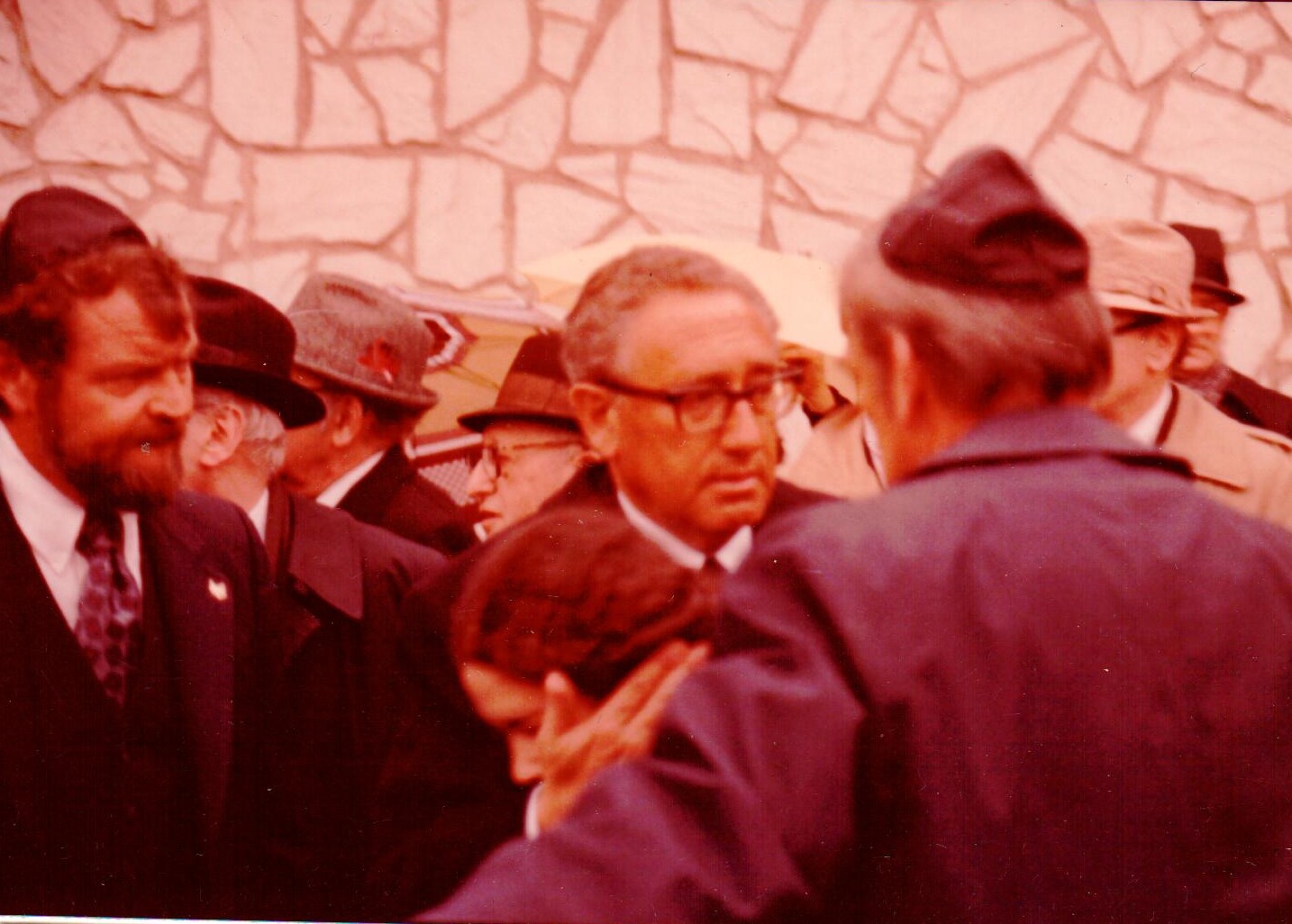
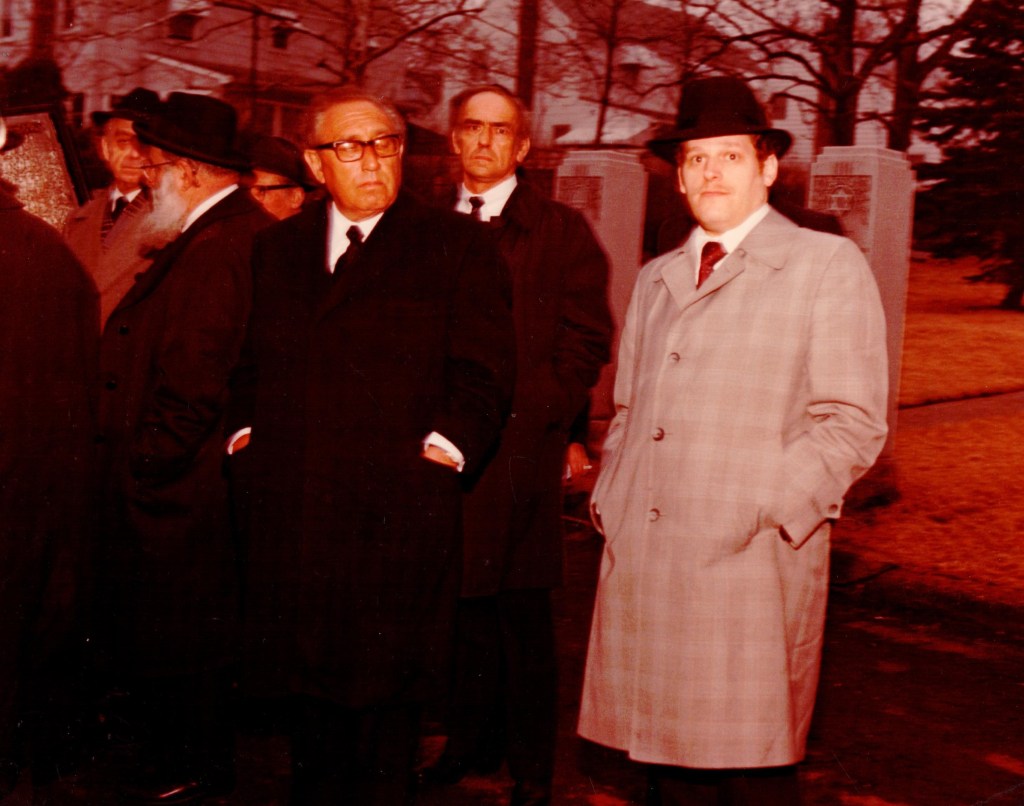
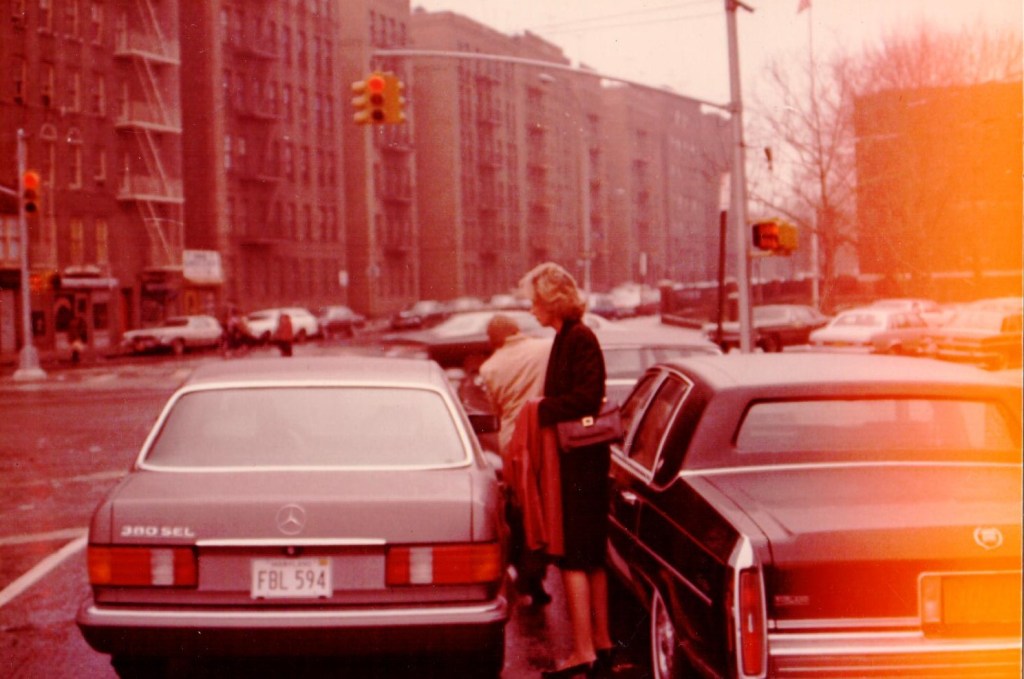
That said, the video showcased my father’s pictures of Henry at his father’s Levaya. See below.  

In front of Hirsch& Sons embracing his daughter at his father’s Levaya
At Clifton, next to Bobby G. H’lch.
Nancy Maginnes entering a car waiting for her outside the funeral home. His intermarriage created a dilemma for our Chevra at the time.
With Edwin z’l, Arnold Sulzbach z’l and members of the Secret Service
He and brother mentioned on the plaque for the servicemen of the Kehilla in WW2

Rosh Hashanah

This year will be a leap year. Beginning on Shabbos. The two variable months of Cheshvon and Kislev will be with only 29 days each. Pesach will fall on a Tuesday. The Siman will be therefore Zayin- ches- gimmel. 

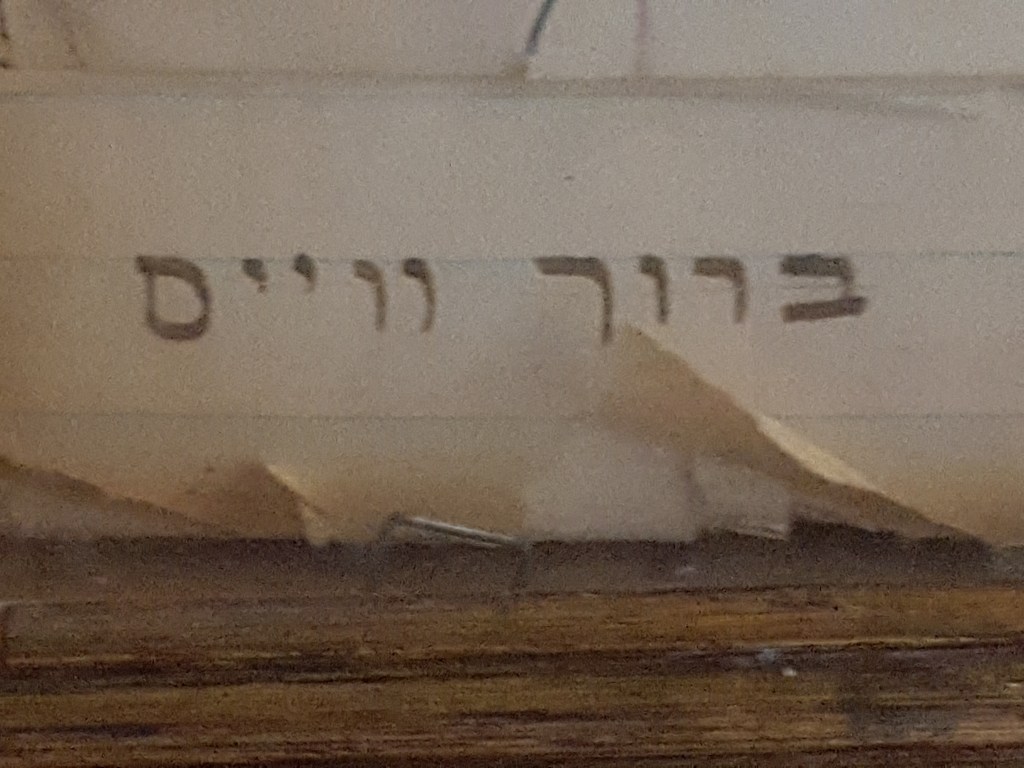
While on the calendar, we know that Mr. Benno Weis made a handwritten calendar that has hung in the elementary school hallway since forever. After many years he added to the calendar and the newer pages extend into a year that he never foresaw would come about and he would not have returned with Techiyas Hameisim. Or he could not see the ancient Kehilla would be here to celebrate that year. The calendar has about a decade left if I remember correctly. (Someone check, please. This is like our Mayan calendar moment.) 

A note about the Shofar blowing in our circles. I don’t have a recording of our Baalei Tekiah- except on the video of Rav Gelley’s installation in 1987. The shofar was blown and this is a clip of it. 

But a very odd and intriguing set of Shofar blasts is found on the album of Chazan Hans Bloemendahl z’l of the Netherlands. He has a very distinguished voice that is not unlike our own Chazan Frankel z’l- (Chazan Frankel admired Bloemendahl, had all of his records- I am told, and came from Hamburg just like Bloemendahl.)  

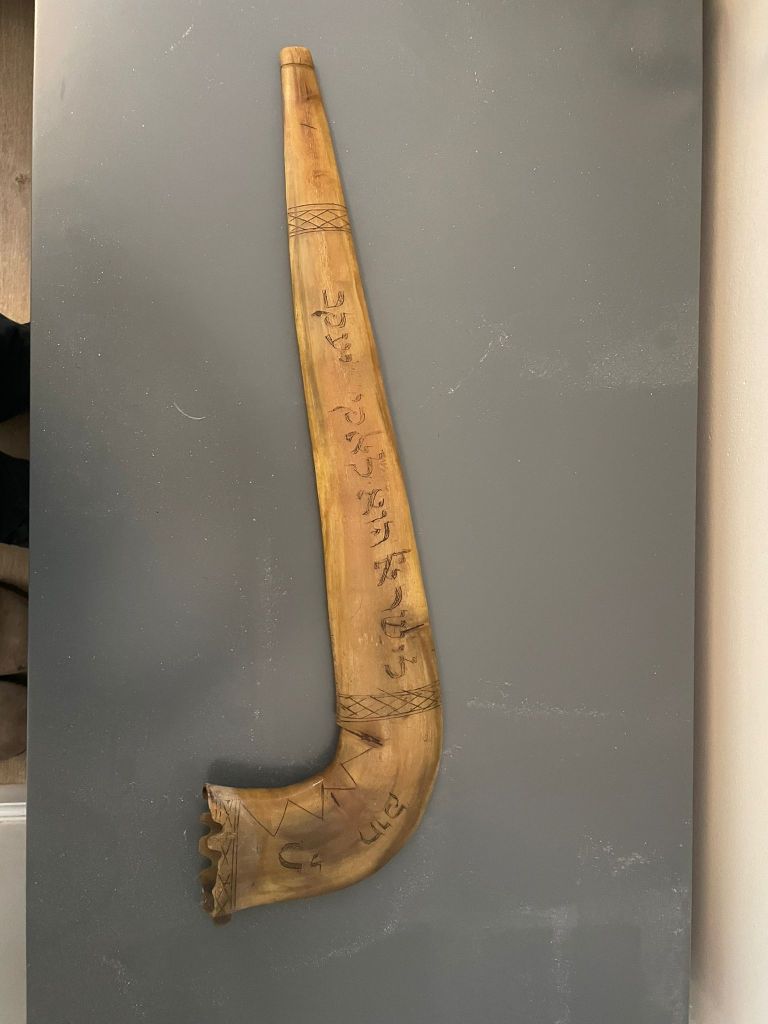
Anyhowwww, on the album there is a Shofar interlude that is just as haunting as the Tefillos recorded there. This Shofar has the sound of a clarinet, and all the years I have been listening to this I assumed that they just used an instrument on the album with some poetic license. This week I posted the recording on a forum of Nusach devotees, and two members of the forum who grew up in the Netherlands, both attested to the authenticity of the Shofar used in the recording and that a highly skilled Baal Tokeah was employed in Amsterdam. (They could not remember his name.) They also suggested – and attached a picture- that the Shofar had an extra wide mouth- which allowed for a greater variety of notes and sounds. Amazing!! Audio HERE.  

A Shofar of the Netherlands. Picture shared by Mr. Frank Levy

Elul in the Summer

(Photo credit: KAJN)

I don’t want to belabor writing about our Minhagim. But the most unusual nuance in our Tefllah cycle is – perhaps- the use of the tune for the Yomim Nora’im in the Kadish preceding the Amidah on the seven Shabasos between Tisha B’av and Rosh Hashanah. 

This Minhag makes our Shul the earliest harbinger of the Yom HaDin.  

The Baalei Mussar would famously tremble when announcing the Rosh Chodesh Elul. Sefardim begin the Selichos at Rosh Chodesh Elul itself. But all of these  people are not in the High Holiday spirit until…Elul. This particular Minhag has a way of saying, “Do not pay attention to the free society around you that tells you how your summer is meant to be all fun and games! You have a higher calling!” 

Of course, Tannersville did not close after Tisha B’av. But, the reminder is still built in to the summer. This message of the Bnei Aschkenaz being called to a higher calling- ahead or apart from others is echoed elsewhere in our lifestyle. 

First of all, the very nature of Torah im Derech Eretz is a call to acquire a balance in a difficult milieu. While others may apply themselves to learning or pursuing a career, TIDE asks each of us to see the entire question of how and when to balance Torah and Derech Eretz as a system that requires always being engaged in both. So Derech Eretz is not secular, and learning is not done in spite of DE, but as a way to master it. You as a Gemran Jew cannot just follow everyone else. You carry a responsibility 

I also think this spirit is found in some of the writings of our leaders z’l: 

1) In Rav Breuer’s essay “A Message to a Growing Youth”: (We were given this essay to read in high school when we made trouble.)  Rav Breuer zt’l has one line there. A real zinger. “When a friend comes over to you and makes a vulgar comment…you will turn away in contempt…because he seeks to cheapen that which you and he should hold sacred.” You have to be BETTER. 

2) In the essay “Trends in Our Kehillah”: Rav Breuer likewise tells the mispalelim that they need to be wary of blindly following other – trending- forms of Avoas Hashem. For instance, Shuckling. He point to the words of the Mishnah Berurah and reveals that standing still whie praying – as a humble servant- can lead to more concentration. And one shouldn’t assume that swaying is “better”. 

Regarding weddings, he points out that every Tzibur keeps it Minhogim, and we shouldn’t assume that we need to eschew our own. (He includes our “minhag” to have the wedding start on time.) 

 3) Then there were times in my childhood when my father would always tell me to be better than the “them”. This includes all the times he had me sit next to him for the Rav’s speech when other kids went out. (I went out many times too- just not always.) And when I planned on coming late to a wedding – I would say, “No one comes on time!?” “So YOU will be the one who comes on time”.  

You- hold yourself to a higher standard.  

Then this backfired once. For years my parents begged me to get Semicha while I learn in Yeshivah. Like many parents, they saw this as a type of degree. Finally, I countered with an argument that I was sure would work: “Dad”, I said, “In Yeshivah, only the stupid guys go for Semichah”.

It didn’t work. Dad retorted, “So you be the stupid guy!”  

Happy Summering! 

The Rabbonim in Dad’s photography. Part 2

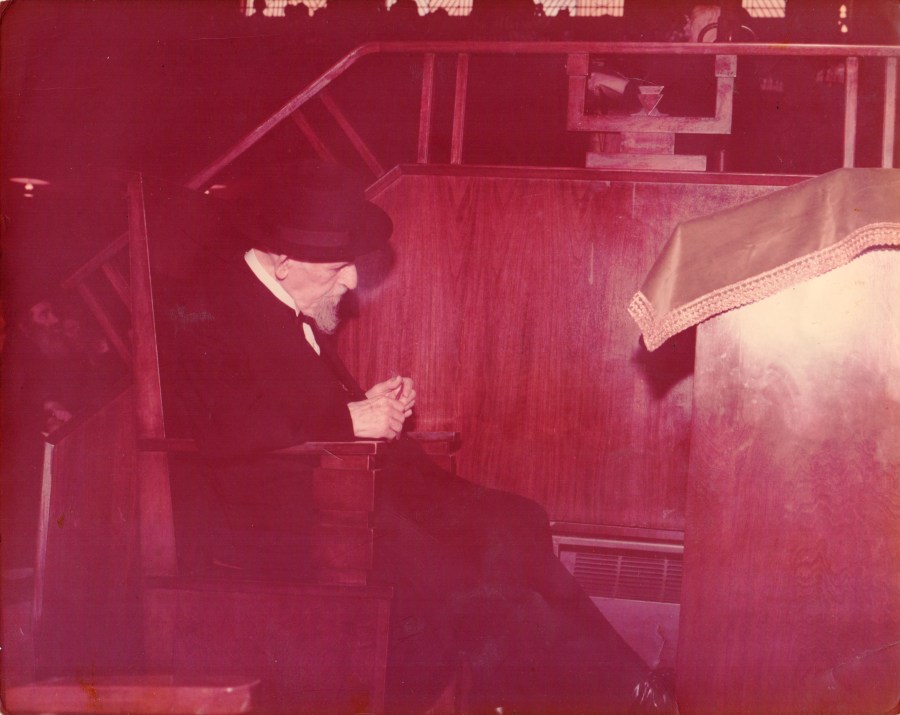
In the previous installment we talked about my father’s three pictures of the Rabbonim in their seat at the front of Shul. (Here.) He never took this picture with Rav Mantel Shlita- although he had ample time and opportunity.

Here follow some interesting anecdotes about photos of the Rabbonim in more relaxed settings.

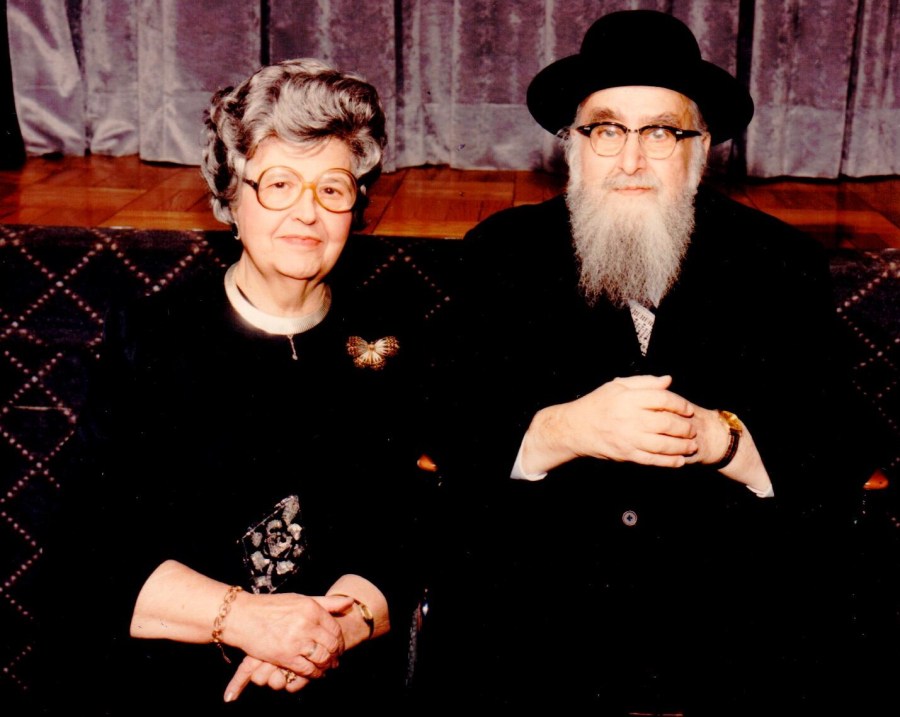
The picture of Rav Schwab zt’l on the cover of the Artscroll book. This picture is a mock-up painting made electronically from a picture my father shot at a private family affair on the occasion of the Rav’s 80th birthday in 1991.

The picture has been ordered many times over and was hung in the Yeshivah high-school. It is one of the few pictures of the Rav in which he is not smiling. Rav Schwab was very photogenic and generous with his smiles. But for this picture – which was a posed portrait with his wife- he does not smile (see photo above).

There is a lot to say about this, and I wrote about it somewhere. Smiling for a portrait is something that was, perhaps, an innovation of American culture. A way to show future generations your smile. If you have family heirloom pre-war photographs the subjects are always posed with a serious expression.

I would like to mention here that Mr. M Schwab- the Rav’s son – who is an exemplar of Kibud Av V’em, treated my father with utmost repsect. Firstly, he hired him whenever possible. He also had a standing request that he mail him any photos of his father and would receive remunerartions. After every interaction- a warm note would arrive in the mail with deep appreciation- the way members of our community often show their thanks!

An interesting footnote to this event. A very large family photo was arranged at the end of the festivities. There was one extended family member who was engaged to be married. My father felt that since she was not yet married the fiancé be left out of the picture. The particular family felt that he needed to be included since he was already like family. What happened? The engagement was broken and the young man needed to be airbrushed out of the photo.

Here’s more:

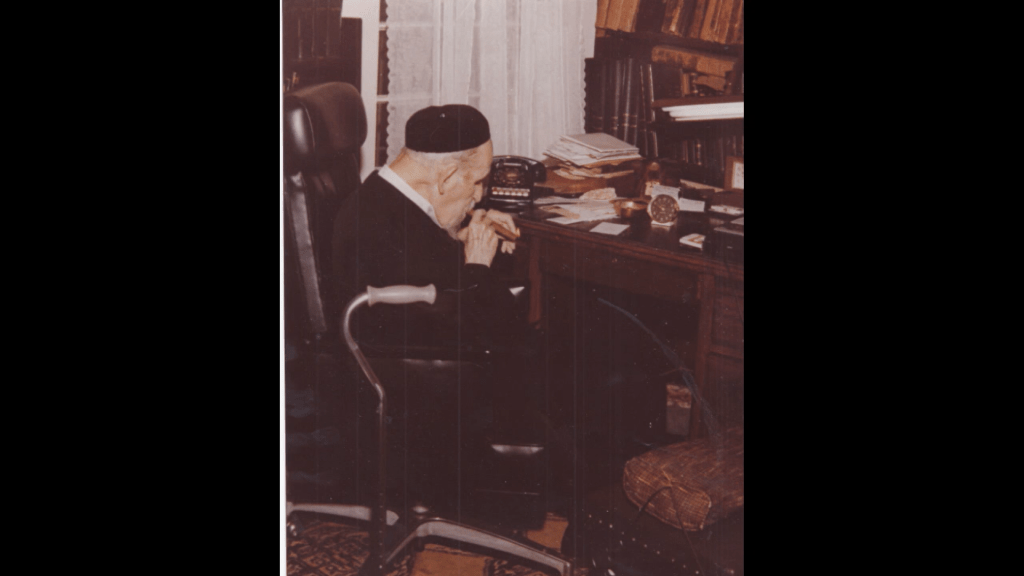
Rav Breuer zt’l lighting a cigar. My father tells how he was waiting for Mr. Jerry B. z’l in the apartment he shared with the Rav. My father was often at the apartment because Mr. B. employed him for two years as a messenger for his computer company when my father was between jobs. My father would sometimes see an interesting picture on the wall and take a photo of the photo in order to have a copy for himself. Anyhow, this time while waiting he saw the Rav enjoying a private moment in his study and he grabbed a picture of it. There is a lot of detail to see. (Of course, the Rav’s study has been preserved so these details can still be observed. ) The particular scene- the Rav lighting a cigar in his study, was also captured on movie and is viewable in the presentation dad made for the 1974 Yeshivah dinner. (Which I recently restored at great personal cost.)

Dad snuck a picture for history!

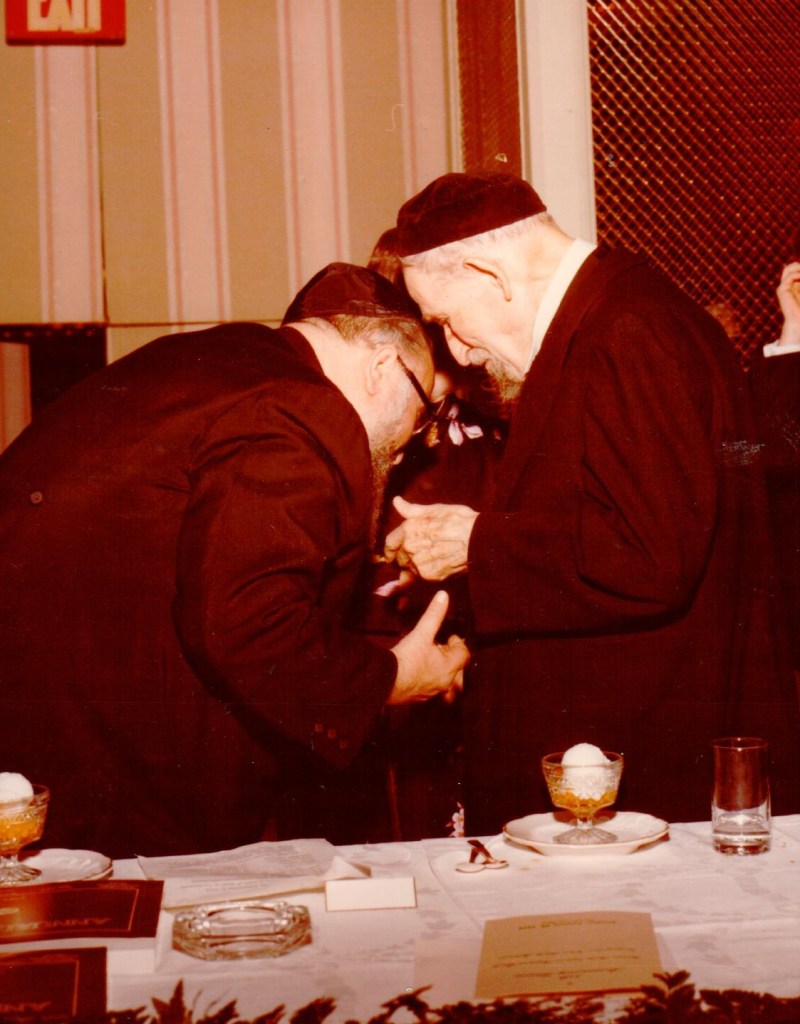
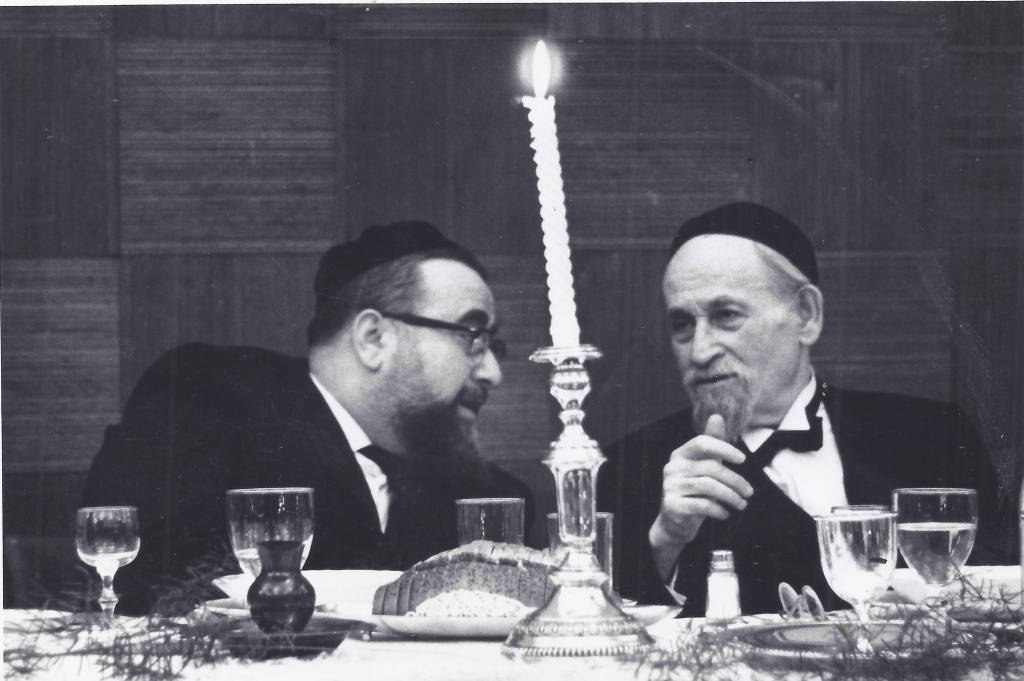
Rav Breuer and Rav Schwab enjoying a laugh- (several versions). This is a picture that has received wide dissemination. I believe it is my father’s and it was at an event in the Mt. Sinai Shul. A hearty smile on Rav Schwab’s face seems to be in response to something witty Rav Breuer just related. There are a few other pictures of the two Rabbonim in a light moment. One of which is ubiquitous- with a candle between them at a dinner table. I do not know the origin of the picture, and if it is my father’s. Others are less known but are out there.

This is a famous photo. But see below some other Rabbinic moments…

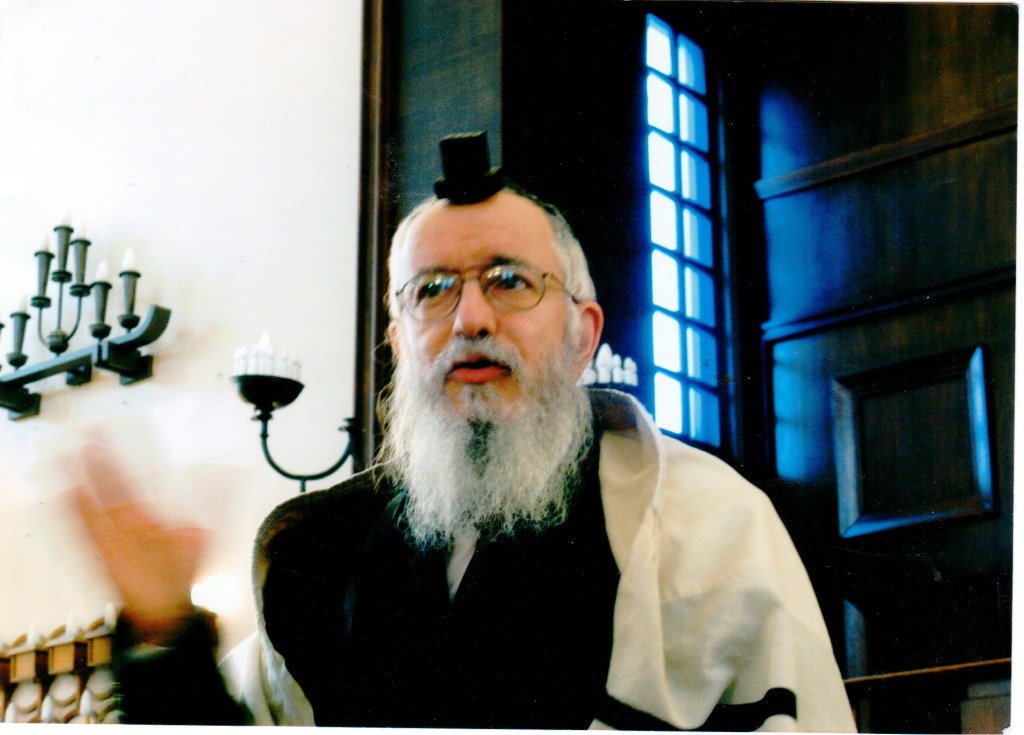
My father took a picture of Rav Gelley in Tallis and Tefillin giving the short Halacha after Shacharis. Bright morning sunshine fills the room beaming in through the Shul’s prominent eastern widows and gives a lot of life to the picture. A similar photo exists of – hibadel lichayim aruchim- Rav Mantel Shlita.

As a child of ten I visited our family in Basel. I remember seeing a  stout religious woman in her 40s or 50s exiting the grocery store with her packages, placing them in the bin of a moped, and then driving off. We never saw anything like this in America! An Oma on a motorcycle! My father told me the woman was from the Ehrlanger family and related to Rav Schwab. Well here is a similar picture. Rav Schwab spent summers at his son-in-law’s camp in Moodus, Connecticut.  My parents stopped by to visit once and the Rebbetzin gave my mother a tour on a golf cart. This was amusing to my father, so he snapped a picture!

For the record. My mother a’H kept a large file with pictures that people would enjoy on their home. These were enlargements ready to go. She always charged a fee- although she would ask the check to be writeen to the Yeshivah. This whole online project came about because someone requested a picture from my father, and he was about to ask a fee. I told him- in my insolence- that it was time to disseminate the collection. If there is someone today looking for a picture of our rich heritage- let’s get it to them without too many barriers. I am not from the old school of nicle-and-dime fundraising.

These are a Few of Our Favorite Things

Tell me you’re a Yekke.  

“I come on time”  

That is kind of cliche.  

Let’s talk about smaller things that unite us. 

(Besides, I’m not that good at coming on time.) 

So here goes… 

  1. Coming on time. There are many levels of this. You may not be good at this, but you may have a hard time when people totally ignore time. My father z’l always lectured us about coming on time. I I would tell him that the event I was going to never starts on time. He would reply, “So you be the first one there!” “Come early and then you can relax.” “These people are shluchs, don’t try to imitate them.” I can hear these commands as I type this now.  

There is a story in my family. A cousin married a Yemenite girl in Israel. Her parents lived in a remote town. They hosted Shabbos Sheva Brachos. My parents came early, the rest of the guests came right before Shabbos. When my parents arrived they found out that ALL the guests would share a large bedroom. This included several married couples and a young Kollel couple too! (Apparently, this family had not caught up with the century and thought they were still in Biblical Yemen!)  

Because my parents came early they told the family that none of the guests could stay together and arrangements were quickly made. They thereby saved a lot of people from an uncomfortable situation. 

  1. We like European type foods. (I think we do?) These include: Chocolate cakes with cherries in them. Coffee. Cinamonny Spicey cakes.  Cookies with Jelley in them. Coffee. Butter on fresh bread. The Mandlebroid with the candied fruit in them. Coffee. MAYONAISE on everything. (Except potato salad where it is conspicuously absent.) Radishes. Fruit soup. Insert your family’s thing here:_____________. Coffee. 
  2. We have some interesting types of people in our community that other communities don’t always have. This includes: People who know other people’s birthdays or Bar Mitzvah parshas decades later. People who call each other on very specific dates for many years. People who have been chavrusos for decades. People who have attended a shiur for decades. Grown men who still get bensched by aging parents.  
  3. We like order. How do I know? I have been to several Jewish communities in North America and Canada where I have walked in the Shul and found that the Gabai is a Yekke- or WH expatriate. I found a Wimple on the Torah in the Toronto Community Kollel. I was given an Aliyah in the YI of Hancock Park (LA) by an Eschwege.  I did an informal survey a while ago and received answers like: YI of Riverdale (Dr M Katzenstien HIR (L Metzger) Yereim of Detroit (Roberg) The White Shul (Bruckstien) Shomrei in Baltimore (Taragin/Froehlich) Bais Avigdor Flatbush (Rothschild) and perhaps more? 

While Cleaning for Pesach…

This turned up.  

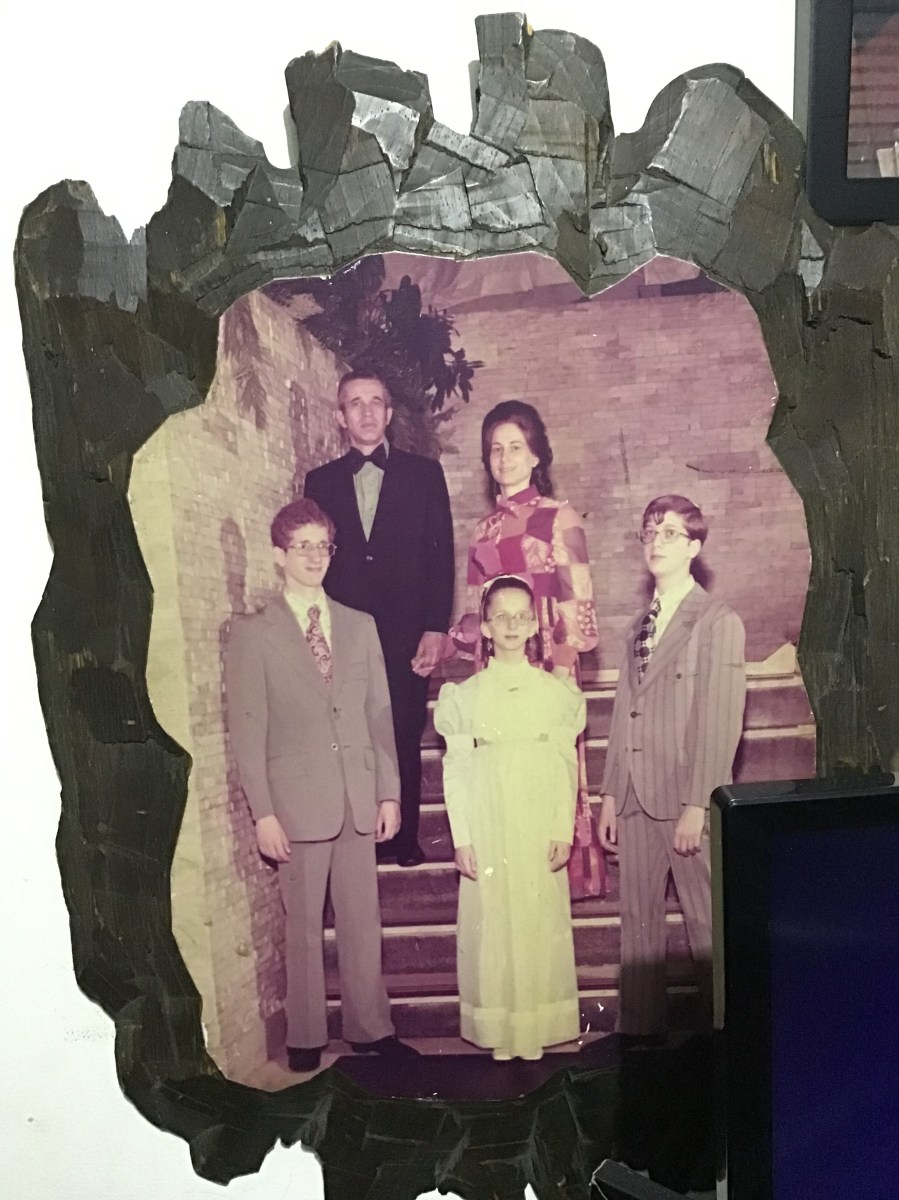
Here is the story. Many years ago, in the early 1970s perhaps, Dad shot a Bar Mitzvah for a local family. When delivering the pictures he included one that he had mounted on a frame that was popular at the time. A frame that looks like it was chiseled off a tree. The type of thing you would put in your 70s living room, above your orange couch, on a paneled wall.  

Though the family did not order the picture, Dad was sure they would take it on this exquisite frame. Turns out, they weren’t biting. 

So, rather than throw it out (or give it to them,) Dad hung it on the wall in his equipment room- the extra bedroom in our apartment. This would be the sample portrait to show customers like all good photography studios keep some on their walls. 

The photo hung on that wall for some 45 years, no one bothered taking it down. So the picture was like a running joke in the family. And if a guest would ask who those people are, we didn’t have a good answer. It remained until we vacated the apartment with Dad’s stroke.   

For a while I kept it on the wall of the den- (my YouTube studio) but there was really no one to get the joke. So it sat behind a bookcase- until now when it became a blog post. Have a Koshern Pesach all. 

KAJ Choir Best Moments

Here are some little tidbits about the choir that I thought to share. 

  1. That time the choir sang in English. In one of the last choral concerts ( “Shiro Vezimro”) directed by Seymour Silbemintz z’l, he added this piece, a ‘canon’ ( also known as a “round”,) that put the Psalm “Hinei MaTov” to a piece of classical music in a two-part round. There were English lyrics like:  

” A Canon is a Melody, you sing a line and you may find it continues endlessly, it may be sung in any key, it could be ‘C’ or even ‘B’, or if you like variety why don’t you try the key of ‘E’, or A or B, it just so happens we’re in  ‘G’ , which is a most delightful key, don’t you agree, the key of ‘G’, it is a most delightful key, or ‘A’ , how will our Canon sound in ‘A’. Hinei ma tov…’ 

  1. That time the choir performance included a classical music interlude. There was a young student from YU in the choir circa 1985- Howie Hochster- and he was classically trained in clarinet. There was also the faithful choir veteran Bob Kosofsky who is a classically trained pianist. They played this. Concert Choir of KAJ 1985. Part 1 
  1. The choir could sometimes come to someone’s home to cheer up a sick person. We did this once for Mr. Shlomovitz z’l. More recently they performed for the one-hundred-year-old fan, Mr. Koenigsburg z’l when he was in the Hebrew Home for the Aged.
  2. The time a Sinatra cover was included at a concert. The famously funny and good-hearted Cantor Seymour Rockoff z’l – who put the words “Boro Park” to Sinatra’s signature ” New York, New York”- was the guest cantor at the concert in 1997. In honor of the occasion, he retrofitted his Yiddish hit “Boro Park” (from the original “Rechnitz Rejects” album, here ) and infused the concert with some comedy….a first! (Remember, the concerts were in Adar.) One attendee told me he felt uncomfortable since the Rav was (as always) in attendance watching the silliness.  
  1. In that concert, a violinist (Stephanie Kurtzman of Riverdale) joined the accompaniment.  In two earlier concerts (83 and 85?) a drummer (local talent Rafi Adler) joined. At the annual dinners, the house orchestra can be heard accompanying as well. Then, there was a concert (1981?) where the choir sang Lewandowski’s Hallelukah. My father brought a large sizzle-ride cymbal. At the song’s crescendo, he reached for it and gave a surprise strike at the cymbal which took the audience by surprise and was a nice touch. (Maybe a cannon ala 1812 Overture would work there as well?) 
  2. A moment of intense community pride. For many years Cantor Joseph Malovany accompanied the choir at concerts. At one concert in the 1980s, the choir performed Mombach’s famous seu sheorim which ends in a high alto reach for the cantor (“Hakovod SE-lah”, famously). At this particular concert, the adrenalin was running as the choir burst their way through the piece, finally approaching the “big moment”. As Malovany handily reached for that note (it’s in the lower part of his range), the audience was already on their feet in applause. Whistles and hearty applause take the song into its closing bars.  
  3. The choir performs for a special retirement. At the breakfast for the retirement of long-time choir leader Mr. Nathan Weis z’l the choir performed two pieces. The first was the traditional (chasidic) pischu li, out of Hallel. Then before bentchin they belted out the Shir Hama’alos to the “Kel Adon” which was introduced to the community from Hamburg by Chazzan Frankel z’l. Of note, the choir made a small breakfast for my father’s retirement. My father requested they sing the standard community Shir Hamalos. And they did! 
  4. There are pieces in the choir repertoire that were written by the director Mr. Seymour Silbermintz z’l specifically for the Breuer’s choir – in the style of the late great composers. Mr. Silbermintz has other songs he wrote over the years sing-along -style some of which have been performed at our concerts. 
  5. In 1998 there were two unique songs that the choir learned. The first was ultimately scratched from the concert. It was called “Al Tashlicheini” and seems to have a modern edge to it. HERE is a recording that is corrupted and was from a rehearsal. Then there was a most unique Carribean-styled tune for Koh Ribon Olam written by the Shul’s beloved Shammos, Mr. Victor S. Perhaps it is mildly influenced by the Hispanic element in Wahington Heights. The choir did perform this at the concert, and Victor did the keyboard accompaniment, HERE
  6. In more recent times, since many have left the neighborhood, the choir has not had concerts- but small appearances. In some of these, the director –Mr. Eric Freeman- has introduced unique pieces, including this one in Ladino.  And this one! Choir of KAJ Sings See The Conquering Hero Comes at Moriah Senior Center  
  7. After many years of performing at our concerts, Chazan Malovani graced a concert in the mid-90s with the anthemic “Shir Hama’alos” (Ps. 128) as sung to Japhet’s specially composed tune. Chazan MAlovani added a lot of flair (too much?) to the piece, but it was warmly embraced. (Here at 1:20:00 here https://youtu.be/Rn7BsbhXlUU?si=jjC17NrSUZzKArhc
  8. Have a memory or a tidbit to add? Let’s do a follow up…

Exploring a Tune

Here is an interesting nugget that emerged out of a comment on my new website (zemirosaschkenaz.com) this winter.   

I posted a tune for Adon Olam that Dr. Eric Zimmer allowed me to share off of his father’s CD of his Frankfurt memories. In the comment section, someone pointed out that this tune is also on the Spanish-Portugse Chazzanut website. A friend who recently launched a blog for the careful study of minhagim revealed that the tune is written by David Aaron Desola of the Bevis Marks congregation in 19th century London. (See here)  

The original commenter on the post is actually the admin of one of that chazzanut website of Amsterdam and he really opened our eyes, because our resident scholar, Reb Yisroel S. Strauss, informed us that our beloved Chazan Frankel”used that niggun” often.(KAJ uses Adon Olam at the beginning of davening only.) It was later reported by Mr A. Gutmann that it was Chazan Frankel’s choice for the Matnas Yad days of the Shelosh Regalim. The suggestion popped into mind that Chazan Frankel might have known it from Hamburg, which, famously, had a large number of Amsterdam Sephardim. My friend in his blog went with that assumption. (Despite the fact that Henry Zimmer z’l was from Frankfurt, and I don’t believe he learned it in WH from Chazan Frankel. The question then is, did he know it from Frankfurt itself?)  

I bounced this off of Professor Edwin Serrusi in Hebrew University, and here is what he wrote: 

” I do not think that the tune entered the Ashkenazi realm via Amsterdam but via London, where De Sola spent most of his life and where this Adon Olam was composed. Ashkenazi British synagogues (several of which had a strong German affiliation) adopted several Sephardi tunes. My former student and now colleague Dr. Naomi Cohn-Zentner wrote an MA thesis on this phenomenon.” 

This being the case, it is possible that Chazan Frankel picked this up in London – where he spent much of the war. It is also possible that many people in Germany knew it whether via Hamburg or otherwise.  

Take It or Leave It…

this clip from Mishpacha magazine was sent to me by a close friend. I take miracle stories with a grain of salt and always analyze the source. but as the saying goes, “you’ve got to believe it could have been true… “

Night Vision – Mishpacha Magazine

Rav Breuer’s Dream

For all the pünklichkeit for which Rav Breuer and the yekkishe community are known, the one area he was not meticulous about was ending his learning seder on time

INthe mid-1970s, my father, Rav Yaakov Yitzchok Weinberg z”l, started learning with Rav Dr. Yosef Breuer, the venerated rav of K’hal Adath Jeshurun in Washington Heights, New York. The chavrusashaft began at the behest of Rav Breuer’s family, who sought to set up the elderly rav with a chavrusa so he could maintain his sedorim even as his eyesight waned. Every morning, my father walked to the home of the Rav’s daughter, Meta Bechhofer, at 50 Overlook Terrace, where he would join Rav Breuer in his study for their 10 a.m. sessions.

Surrounded by large tomes of Gemara (one volume on the shared desk, a second on a shelf that pulled out from the desk, and yet another on the stool nearby), the pair would blissfully submerge themselves in the Yam HaTalmud as they methodically made their way through the Gemara, Rashi, Tosafos, and the main Rishonim on each daf, basking in the joy of pure limud haTorah. The session officially went until noon, but for all the pünktlichkeit (punctuality) for which Rav Breuer and the German community are known, the one area he was not meticulous about was ending his learning seder on time.

The very fact that my father and Rav Breuer could learn together was inspiring and wondrous: My father, a Polish Gerrer chassid originally from Lodz, was in his forties. The Rav, a leader and scion of an aristocratic German Jewish family, was already in his nineties. Yet despite their vastly different backgrounds and even a formidable language barrier — my father spoke in the chassidishe Yiddish of his youth and the Rav conversed in a sophisticated German — they transcended the barriers of semantics.

Rav Breuer is remembered for his profound writings, for the large kehillah he built, and for being the foremost expositor of Rav Samson Raphael Hirsch’s hashkafah of both Torah im derech eretz and austritt — Rav Hirsch’s principle of an independent, Torah-true kehillah without any association with Reform Jewry.

But those who knew him well remember Rav Breuer first and foremost as a brilliant talmid chacham and an unbelievable masmid. Before the war, he had served not as rav, but as rosh yeshivah of the Frankfurt yeshivah, devoting himself completely to limud haTorah. Even after assuming the mantle of community leadership, Rav Breuer prioritized limud haTorah for his balabatim and took great nachas when younger members of the kehillah attended the great yeshivos and commited themselves, as he taught, to Torah learning, irrespective of what they did in life.

In the early 1950s, a stream of survivors who had been in DP camps since the war’s end started to trickle into America. Many of them, even those of Polish and Hungarian origin, were attracted to the beautiful kehillah in Washington Heights, including my family. We were welcomed with open arms by Rav Breuer and the kehillah, and I grew up in Washington Heights and attended the “Breuer’s” school.

When we first arrived in the Heights, my father, an outstanding talmid chacham, began learning in the Dombrover Shtiebel. He later joined a chaburah that attended a twice-weekly Gemara shiur given by Rav Breuer in his home. There their relationship was kindled, because even with the age and language barriers, my father understood Rav Breuer. When the Rav’s eyesight weakened to the point that he could no longer read the text of seforim, the Breuer family requested that my father learn regularly with the Rav.

Their chavrusashaft enjoyed not only an unlikely and beautiful camaraderie but also a great deal of siyata d’Shmaya, as one anecdote reveals. It almost went untold — in fact, we learned of it neither from Rav Breuer nor from my father, but from a family friend.

One day, my father and the Rav came across a puzzling kushya. The difficulty consumed the remainder of their seder together, and they left off without resolving it. The next morning, my father arrived as usual at 10 a.m., and as soon as he entered, it was clear that Rav Breuer had been eagerly awaiting his arrival.

“Last night, I had a dream,” the Rav told my father. “The Chasam Sofer came to me and said, ‘I had the same kushya, and I wrote a teretz in my sefer.’ ”

The Rav could barely see at the time, yet he knew exactly where each sefer was. He pointed to the spot on his seforim shrank where a worn copy of Chiddushei Chasam Sofer al HaShas sat. The Rav asked my father to take it down and to turn to the daf they were learning. There, precisely where he anticipated, was an answer to their kushya.

Neither Rav Breuer nor my father felt the need to share the story with their families, that day or ever; the story came to light only after my father met a descendent of the Chasam Sofer who was Rav Breuer’s talmid and mentioned it to him.

The fact that a gadol of a previous generation had come to reveal a teretz to their question was of little import to the Rav and to my father. The main thing was that their kushya was now resolved, and the two chavrusas sat down to continue their seder.

Rachel Elbaum is the general studies principal of Bais Brocho D’Stolin Karlin. She lives in Brooklyn, New York.